Like many of us in the beginning of our foray into the world of textile art, I was excited and fascinated by the range of textile work I came across. The effects and techniques intrigued me and I grasped every chance I had to learn about them. I thought my knowledge was established after City and Guilds training in Embroidery and Stitched Textiles, but there was always something extra to try! Workshops became the source of learning other techniques and acquiring another string to my bow. But at a certain stage when we’ve settled into our practice, are they still of benefit?
Once you have found your passion, your focus or even your favourite materials, why would you try something different that might require a whole new level of stash? When you have worked hard to establish a practice that is unique to you, how can techniques and materials learned from a workshop be incorporated into that practice without losing that identity and maintain artistic integrity?
We all choose workshops for different reasons but probably first and foremost to try new techniques or materials and to expand our skill set. In-person workshops present unique environments to learn with all your senses from tutor and participants alike – look, listen and touch (when allowed) in real time. The physical proximity of other like-minded artists in the room can inspire and motivate us to push ourselves and explore our creativity. A different way of working that might be outside our comfort zone need not be adopted, but it may shift perspective just enough to keep things interesting in our practice. On many occasions I have come away from a workshop with unexpected knowledge and inspiration.
The variety of online workshops now available digitally enables us to work often at our own pace and at a time that suits our life and commitments. Closed member forums connected to these workshops allow us to choose how interactive we might like to be – work through the tasks relatively anonymously or ‘show up’ to share work and comments in a safe environment. Some workshops now invite participants to create a virtual exhibition of work arising from the course, helping us to practice focus for a deadline.
Whether you select in-person or virtual workshops, the opportunity to build networks is there. Working in isolation as many of us do as artists, finding time to interact and exchange ideas can be difficult but so valuable. Doing so might also foster friendships or even artistic exhibition collaborations.
There is always a time in an established practice when we can feel rather bored, unexcited, or repetitious in our art. We are crying out to be inspired and fall in love with our creativity again. I’m not suggesting that is the only time to try workshops, but for me I felt a need last year to adapt my practice in a way that would excite and create new ideas. I had not participated in workshops for many years but something in Tina Marais’ signature online course through Take Two Arts sparked my interest. Entitled Soft Revolution: Fibre Sculpture, the course presents the materials, techniques and motivations behind the beautiful sculptural practice of the artist. Up to this point my art practice was largely 2D, wall-hanging hand and freemachine embroidered felt e.g. Rosella and Flow below.
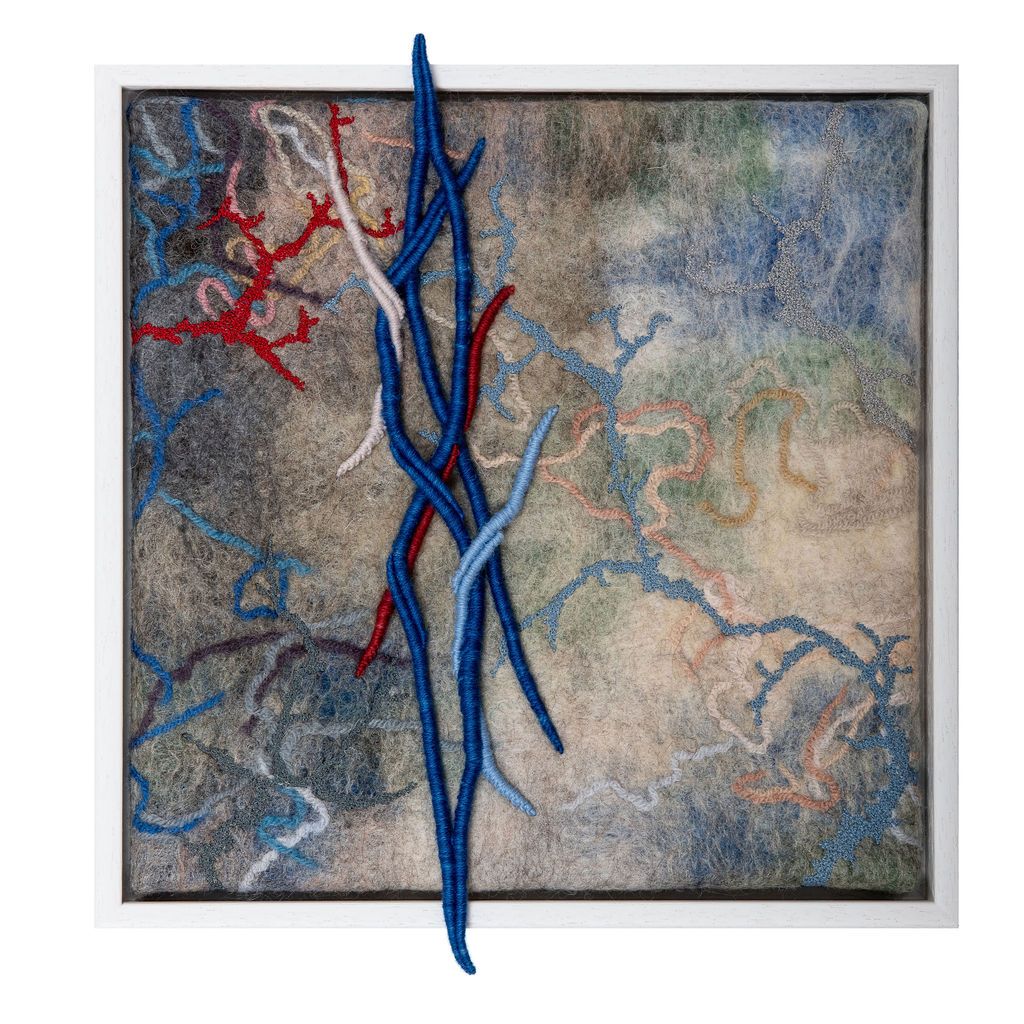
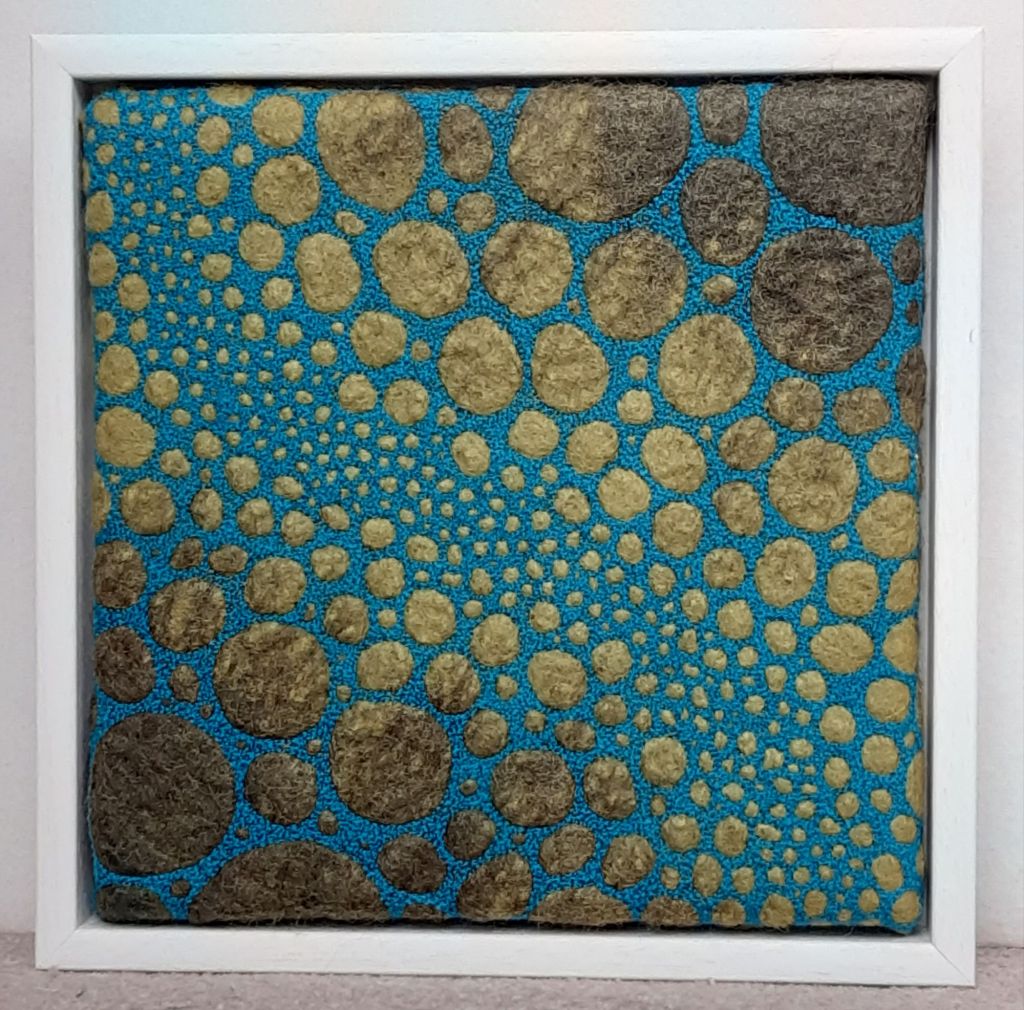
Tina’s techniques opened a whole new world of free standing soft sculpture to me; sculpture that I hadn’t envisaged while retaining my love of wet felting and freemachine embroidery.
I completed the course feeling inspired, imagining how selected techniques and materials could morph themselves into my own practice, while expressing my own narrative.
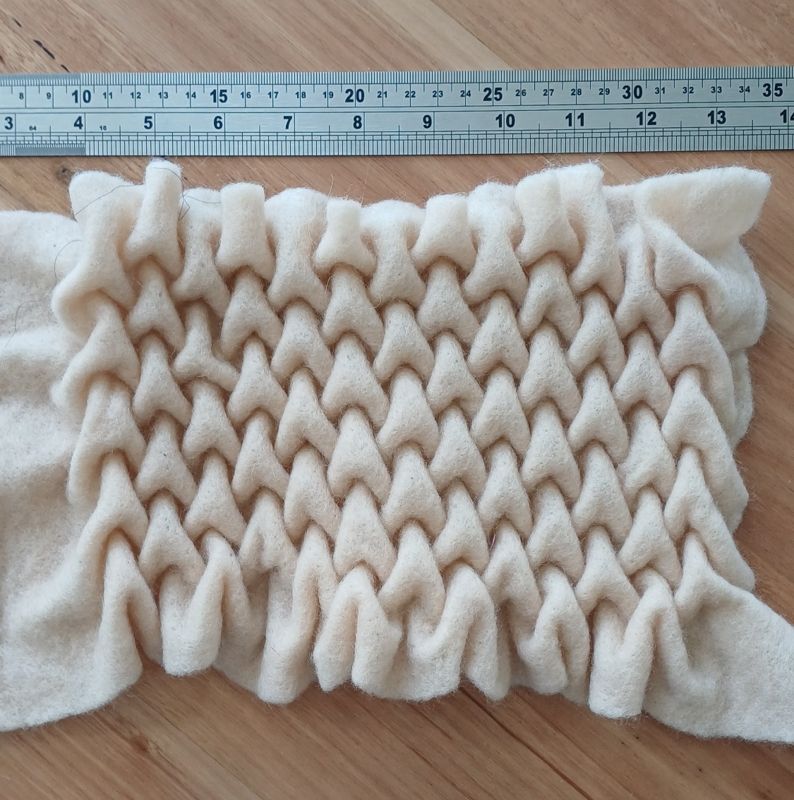
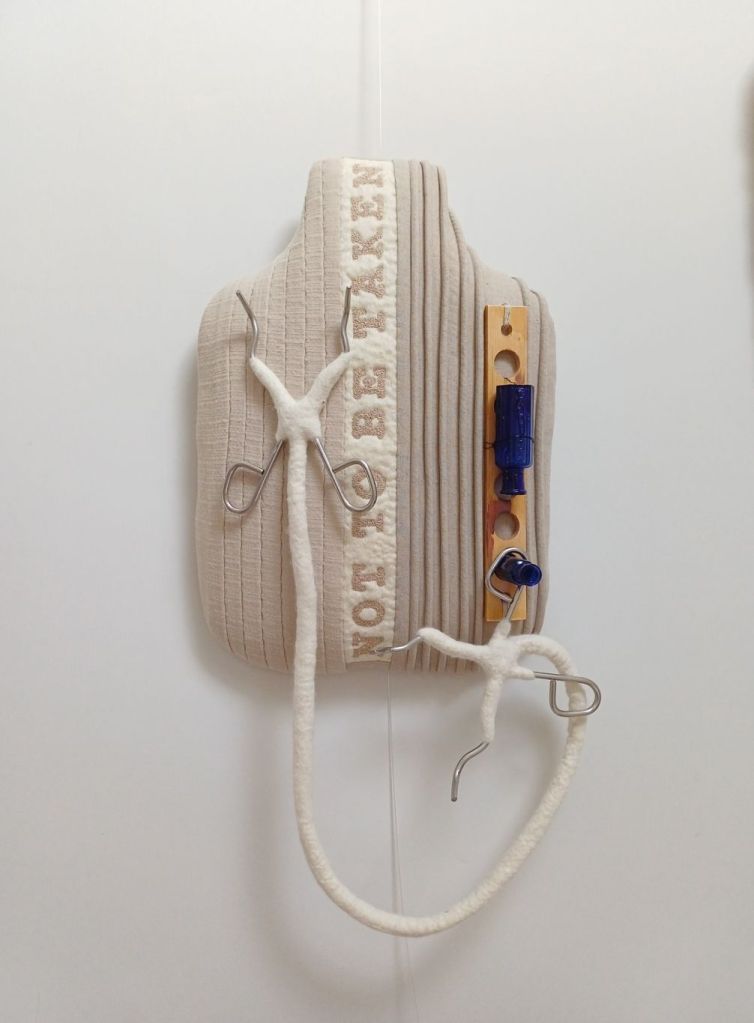
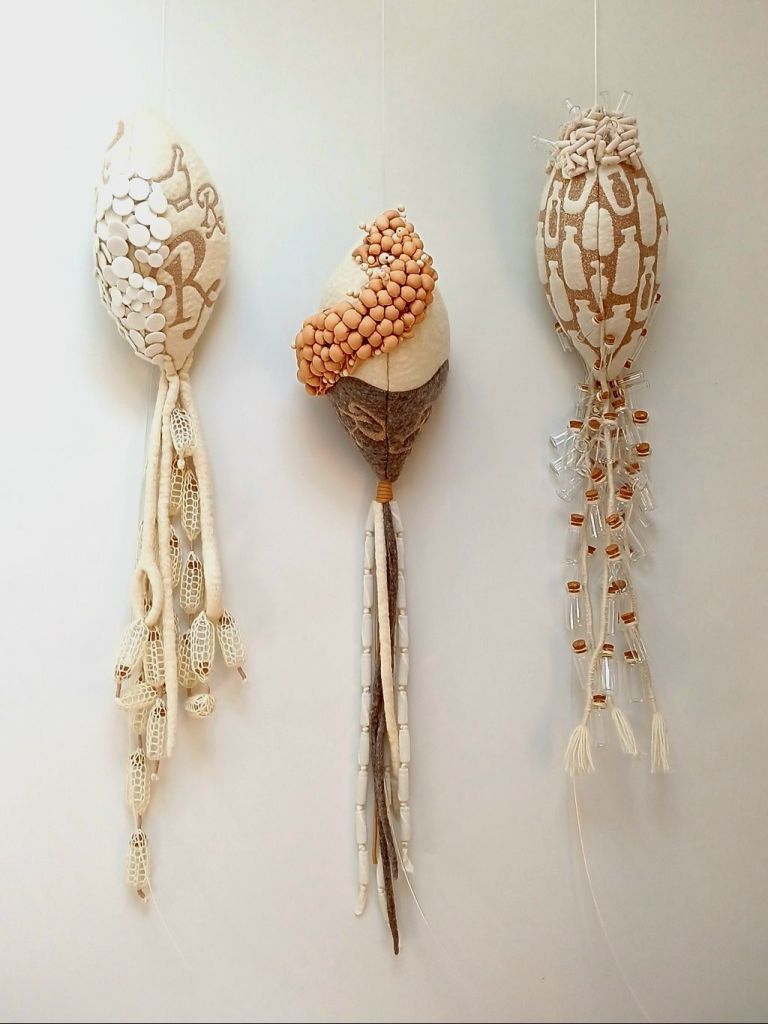
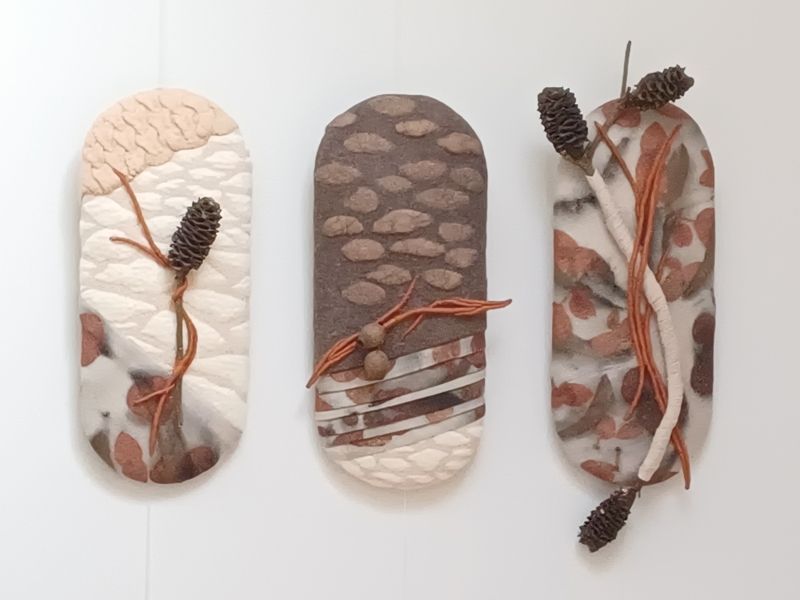
I chose to take selected techniques and merge them with objects of personal relevance into my existing practice, while learning new ways of presenting these works. In all – new skills, ideas and excitement!
This led to the “Not to be taken” series, “Vestiges” and most recently “Bush Memories”.
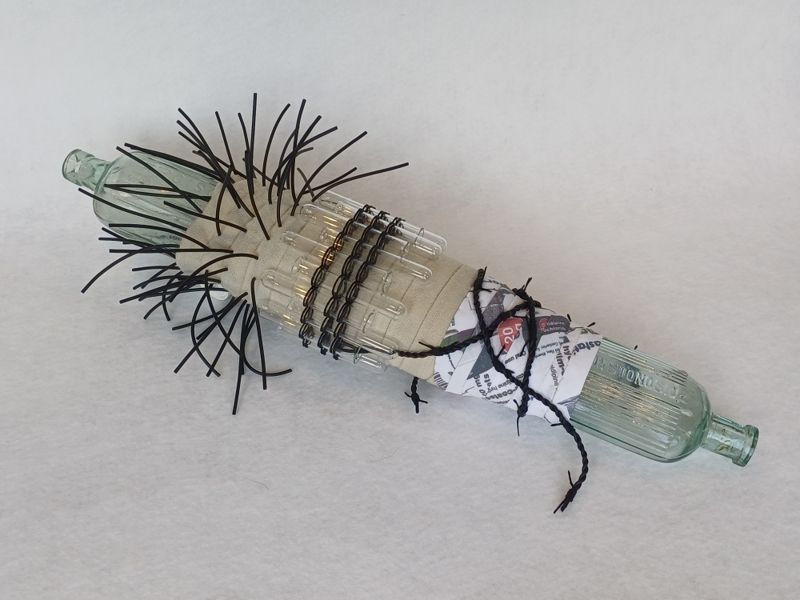
But…..I also had concerns.
With such clear and specific instructions to follow in a signature course of an artist’s practice, how could I be sure later, that I was not copying the artist or failing to credit them in my own practice? Was I simply being over cautious? Work I completed during the course was posted visually with full credit to the source tuition but what is expected moving on? At what point does it legitimately become the artist’s own adaptation and evolution?
I looked to strategies that might mitigate the risk of visual plagiarism and considered the importance of how we transfer what we have learnt in workshops. Firstly there are procedural transfers – the specific techniques and methods that were taught. Those skills support the whole of the creative process. Secondly there are conceptual types of transfer which apply to abstract concepts or ideas that could be translated from one artistic context to another e.g. photography or art composition into sculpture. Ideas relating to a particular artistic medium could be used in another with quite different results physically or emotionally. A third type of transfer is cognitive – the transference of thinking skills e.g. critical thinking learned in one art form used in another, or reflection and self-assessment techniques taken from drawing to fibre art. It is this self-reflection that that I believe is most important in ensuring our work exhibits our own voice.
Practise those techniques taught and gradually your own ‘hand’ will emerge. Small changes develop that will suit your own way of working, of thinking and desired method of presentation. Make time to play and stretch the boundaries of the techniques. Follow the ‘what if I…?’ in your mind. Continually reflect on your use of techniques and materials. Is this working and saying what you wish it to say? Does this technique feel authentic to you in this moment and your practice? Each question will move your work towards that of a unique voice, and your practice will be the better for it.
‘It’s on the strength of observation and reflection that one finds a way‘
Claude Monet
Do you like to search out new workshops. Have you found them useful in your practice?
If this has been of interest do check out my Instagram posts @HelenMacRitchie to find out how my work develops.
Helen MacRitchie

