Judith van den Boom
When I joined seam collective as a mentor to think through sustainability for their exhibition Warped and Wasted, I knew we were stepping into a challenge. Sustainability is not a single action, it’s a complex subject that asks us to consider multiple entry points: how it is practiced, how it is processed, and how it is embodied. This is especially true within a collective made up of many different practices, perspectives, and approaches.
Sustainability is more than a subject, it is a practice, a mentality, an intention, and an ongoing learning process. It is not something we can quickly fix or solve. Instead, it is a commitment to making positive change, one step at a time, while acknowledging the contradictions and tensions that inevitably arise.

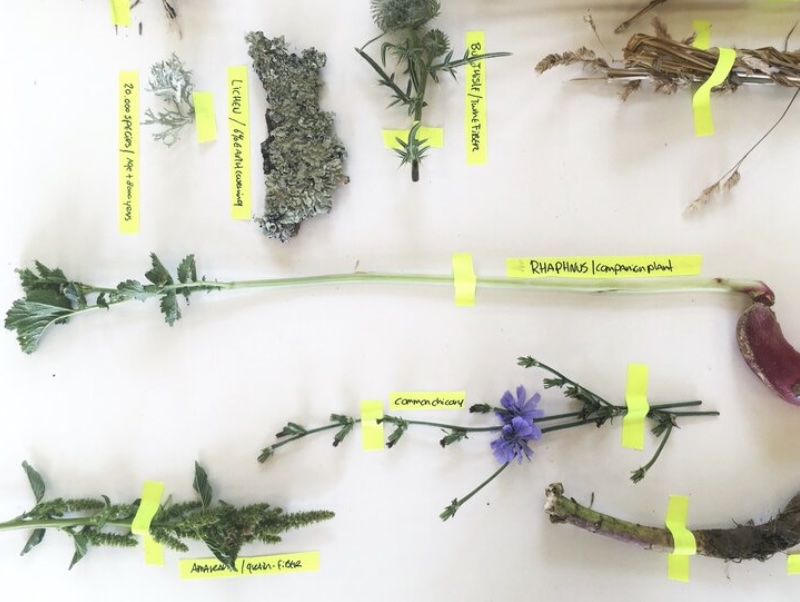
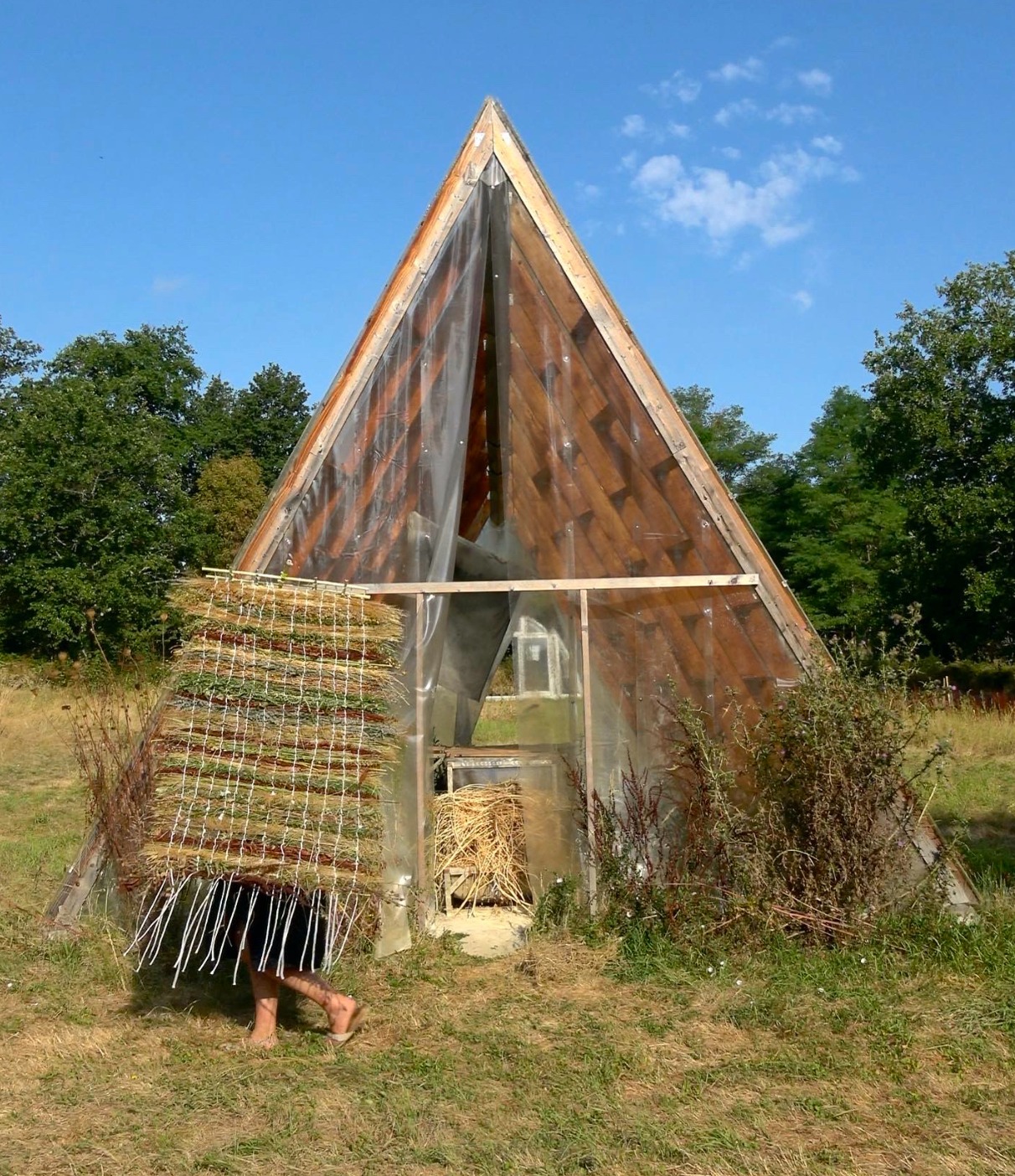

Judith van den Boom, research collaboration and fieldwork – working from/for place/species/resources
Sustainability is more than a subject, it is a practice, a mentality, an intention, and an ongoing learning process. It is not something we can quickly fix or solve. Instead, it is a commitment to making positive change, one step at a time, while acknowledging the contradictions and tensions that inevitably arise.
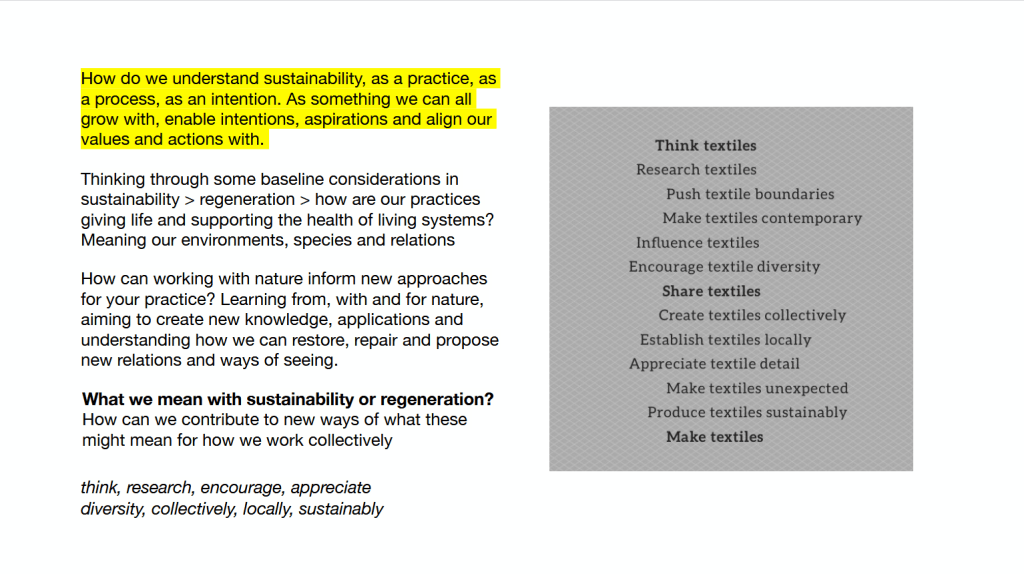
Through collective mapping, shared conversations, and a willingness to sit with uncertainty, the process with seam has become a contemplative journey. We started with ‘What do we really mean when we use the word “sustainability”? How do we live it, learn from it, and work through it? How do we translate it to individual practice but also a collective practice that seam develops? What does it mean not only to carry solutions, but also to hold the questions so we remain open to learning?’
sustainability is not a destination but a practice of continuous negotiation…
From the very beginning, I could sense the group’s determination to make sustainability their own. The questions arose quickly: Where do we start? How do we make sure sustainability is not a buzzword or a moral stance, but an honest, connective understanding that supports seam beyond the exhibition? How do we wrestle with sustainability in a genuine way? How do we create alignment when thinking through the responsibilities we can and cannot take on? What are we personally and collectively able to achieve, and what is our honest capacity and mentality? All these questions surfaced at the same time the exhibition was being shaped, as the works were being produced; this resulted in connected processes of thinking and making. This also means the work in the exhibition is not the answer, nor solving a problem, but is an embodied response of processing sustainability.
…the work in the exhibition is not the answer, nor solving a problem, but is an embodied response of processing sustainability.


Installation views of ‘Warped and Wasted’ at ACEarts, Somerton, photos Matt Lincoln
In this process, we discovered that sustainability is not a destination but a practice of continuous negotiation between ideals and realities, between resources and the realities of practice, between what we inherit, how we understand our context, impact and what we pass on. It is about creating space for dialogue, reflection, and care, even when there are no easy answers.
Learning processes
In the process many questions emerged, and with them came the realities of navigating different viewpoints. For me as a mentor, Warped and Wasted is not merely about the physical outcome, but even more about the learning process of the collective. I have seen everyone working through the subjects, finding entry points and taking different questions to explore individually in their practice. The exhibition celebrates this learning journey—an invitation to keep asking questions and to translate them into actions and intentions for how we engage with sustainability in our lives.
The exhibition celebrates this learning journey—an invitation to keep asking questions and to translate them into actions and intentions for how we engage with sustainability in our lives.

Whilst working through words, the members were also making, with textiles in their hands while meeting through the screen, and talking through these subjects in real time. The exhibition is not an endpoint, rather a starting point, and a learning invitation for everyone: to find entry points, reflect, and contribute their own perspectives.
The exhibition is not an endpoint, rather a starting point, and a learning invitation for everyone: to find entry points, reflect, and contribute their own perspectives.
The ongoing process of working with seam collective is an embodied experience, it’s chaos and focus, it’s confusion and clarity, it’s working through the dimensions of what sustainability means for seam. This is what you can tap into through the exhibition. Sustainability has become part of our wayfinding, shaping not only how we frame and understand sustainability, but also how we practice it together, with honesty and care.

The ongoing process of working with seam collective is an embodied experience, it’s chaos and focus, it’s confusion and clarity, it’s working through the dimensions of what sustainability means for seam.
seam sustainability wheel
In the first sessions, we met onsite in ACEarts in Somerton, in person, and began by sharing what sustainability means to each of us. Thinking through regeneration, how our languages are evolving. Reflecting on examples that revealed the many layers of sustainability, and on how everything is interlinked as part of a living system. We explored how sustainability is never just about material. It is just as much social, rooted in how we care for each other and create systems of support. It is cultural, carried through practices, traditions, and collective memory. It is economic, asking us to consider fair distribution of resources and the value we place on labor. It is ecological, connecting human actions with the relations on the land, understanding how we are part of ecosystems. And it is deeply personal, tied to our values, choices, and capacity to reflect.

…sustainability is never just about material. It is just as much social,… It is cultural,… It is economic,… It is ecological,… And it is deeply personal,…
By mapping these interconnected layers, seam began to see that sustainability is not a single fixed solution but a constellation. It is a way of thinking, relating, and acting in alignment with the wider systems we are part of. Rather than providing fixed answers, the wheel offers a series of evolving questions. These questions are intended to spark awareness, stimulate discussion, and inspire action. They are not static but change over time, and should be adapted to reflect new priorities, emerging challenges, or areas of growth. The seam sustainability wheel is not a scorecard. It is not here to judge your work or slow you down. Instead it is a tool to open space for reflection, curiosity, and intentional practice. Some questions may feel difficult to measure precisely, and that’s okay. Their value lies in encouraging deeper thinking about what it means to create sustainably, both as individuals and as a collective.

In the sessions that followed, we met online and developed a process where all voices could be heard. Between sessions, tasks were set to continue the reflection, gathering key words, subjects, themes, and questions. It became clear early on that sustainability is a learning journey, not a finished answer that declares to the world how it should be done. Instead, it is an honest invitation: a step away from external narratives that prescribe what we should or should not do. The process at seam aims to move beyond the collective and to foster open reflection with one another, bottom-up and expand our learning so we can practice sustainability in new, more grounded ways.
To make my contribution as a mentor, and to ensure the work with seam was meaningful, we decided to develop a sustainability wheel. This tool allowed seam to create something for themselves, a guide for wayfinding, expanding learning, rephrasing, and activating practice. We identified main themes, and with each theme we developed a set of questions. Rather than measuring in rigid terms, the wheel encourages reflection. It invites the collective to ask: what values are guiding our choices? Where do we feel strong, and where are the gaps? What happens if we shift our priorities and view sustainability from another angle?
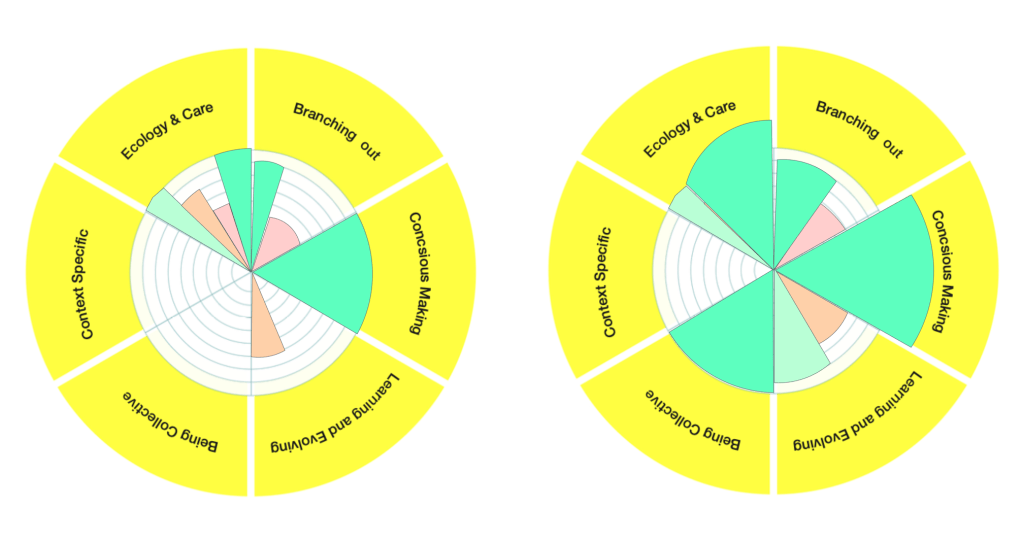
The wheel is not about finding definitive answers, but about mapping the terrain and helping individuals in the collective to find their own way in. For the group as a whole, the wheel became a means to see connections between material, process, and meaning, and to activate a making practice rooted in sustainability.
For the group as a whole, the wheel became a means to see connections between material, process, and meaning, and to activate a making practice rooted in sustainability.
It offered a way to position on the subject of sustainability, not through long texts, but by defining key themes that could shape a vision and conversation on sustainability. Most importantly, it became something that seam could work with and grow into in the years to come. Through the creation of the wheel, I could see seam relax more into their process, and nervousness was replaced with excitement and sharing. Suddenly, the focus was not only on producing physical work, but also on reflecting what sustainability means for their community, support, and care within their creative practices.
Unpacking the wheel
Mentoring a group rather than individuals was a process in itself and the sustainability wheel is a good tool to capture and process the voices of seam.
Collective processes are rarely straightforward: it requires patience, negotiation, and a willingness to let go of control. Yet it is also a rich process when everyone is committed. Each person brings other views and its requires listening to each other and willingness to want to understand each other. We mapped out an umbrella with individual responses on a digital Miro board and from there creating main themes that could lead to the core of the wheel.

Digital miro board snapshot with umbrella of individual seam thoughts about sustainability
Sharing textiles, ideas, as also frustrations became part of the process of the group. Sustainability in this sense was not only about reducing waste, but about sustaining one another. The developing of the wheel became a lived, relational experience rather than an distant action. The wheel was created in six main themes, all bringing in elements that are key for sustainability

1 Ecosystems & Care – How do we care for ecosystems through our work?
The central focus is care and activation, to restore, nurture, and sustain healthy ecosystems while learning about the land we live on. Too often, we flatten the notion of what an ecosystem is, thinking of it as something separate from us, when in fact we are an integral part of it. Ecosystems are not just forests or fields; they include our neighborhoods and communities, and understanding how we are interdependent with other species and our environment is essential. When we nurture each other, we can thrive collectively. The more we learn about the places and species we are connected to, the more deeply we can care. We care for what we understand, for what we recognize. The value lies in making ecosystems personal, so we can see how our actions contribute to their, and our own wellbeing.
Ecosystems are not just forests or fields; they include our neighborhoods and communities,…The more we learn about the places and species we are connected to, the more deeply we can care.
2 Branching Out – How do we sustain relationships and collaboration?
Sustainable collaboration strengthens relationships and communities, creating networks of care that endure over time. In ecology, nothing exists in isolation; everything is interconnected. Applying this means that sustainability is not only about materials or methods, but also about the ways we connect, build, and grow together. Working more sustainably means expanding our practice by fostering deeper collaboration, learning from each other, and creating partnerships that are resilient and supportive. By nurturing these connections, we ensure that our collective practice is stronger, more adaptive, and able to thrive over the long term.
Working more sustainably means expanding our practice by fostering deeper collaboration, learning from each other, and creating partnerships that are resilient and supportive.
3 Conscious Making – How do we make with care, for people, planet, and process?
Sustainability is deeply tied to both material, lifecycles and economic practices. Choosing materials and methods with awareness foster more ethical, responsible actions. Conscious making asks us to consider the full lifecycle of what we use, from sourcing and production to disposal or reuse. What is the impact our choices have on communities, ecosystems, and our futures? By integrating care into every step of the process, we can cultivates practices that can be sustained over time.
What is the impact our choices have on communities, ecosystems, and our futures? By integrating care into every step of the process, we can cultivates practices that can be sustained over time.
4 Learning & Evolving – How do we learn from each other as we work?
Sustainability requires ongoing growth, reflection, and adaptation to meet changing challenges. Learning from each other allows us to share knowledge, skills, and perspectives, creating a richer, more resilient practice. By embracing curiosity, experimentation, and feedback, we can continuously improve both our methods and our understanding of the systems we are part of. This process ensures that we can remain to reflect and contribute positively to each other and the environment over time.
5 Being Collective – What future are we building for seam?
Working inclusively and collectively makes sustainability a shared journey rather than an individual process. For seam to thrive and learn valuing the diverse voices, experiences, and skills matters. To grow stronger we need to allow ourselves to respond to challenges together. Taking time to grow, reflect, and create as the group fosters trust, support, and shared responsibility.
6 Context Specific – What is important for you as part of the whole?
It’s important to maintain space that allows for individual questions and considerations. We all work from layered and complex contexts, and having an open space to address personal modes, goals, or questions helps us stay attentive throughout the process. Since this is a learning and activation journey, it’s essential to keep a blank space where you can doodle, experiment, and wonder. Treat it as a testbed, make it your own, explore and use it to reflect. By honouring your context, you contribute more thoughtfully to collective sustainability.
The seam sustainability wheel does not mark an endpoint, but it opens a space where curiosity, care, and collective action continue to guide us toward a more connected and conscious practice of sustainability. The wheel is less a tool to complete or compete with, and more a companion to revisit, something to sit with, meet each other and open a conversation. Ask what topics are hard and why, or share where you made new actions or insights.
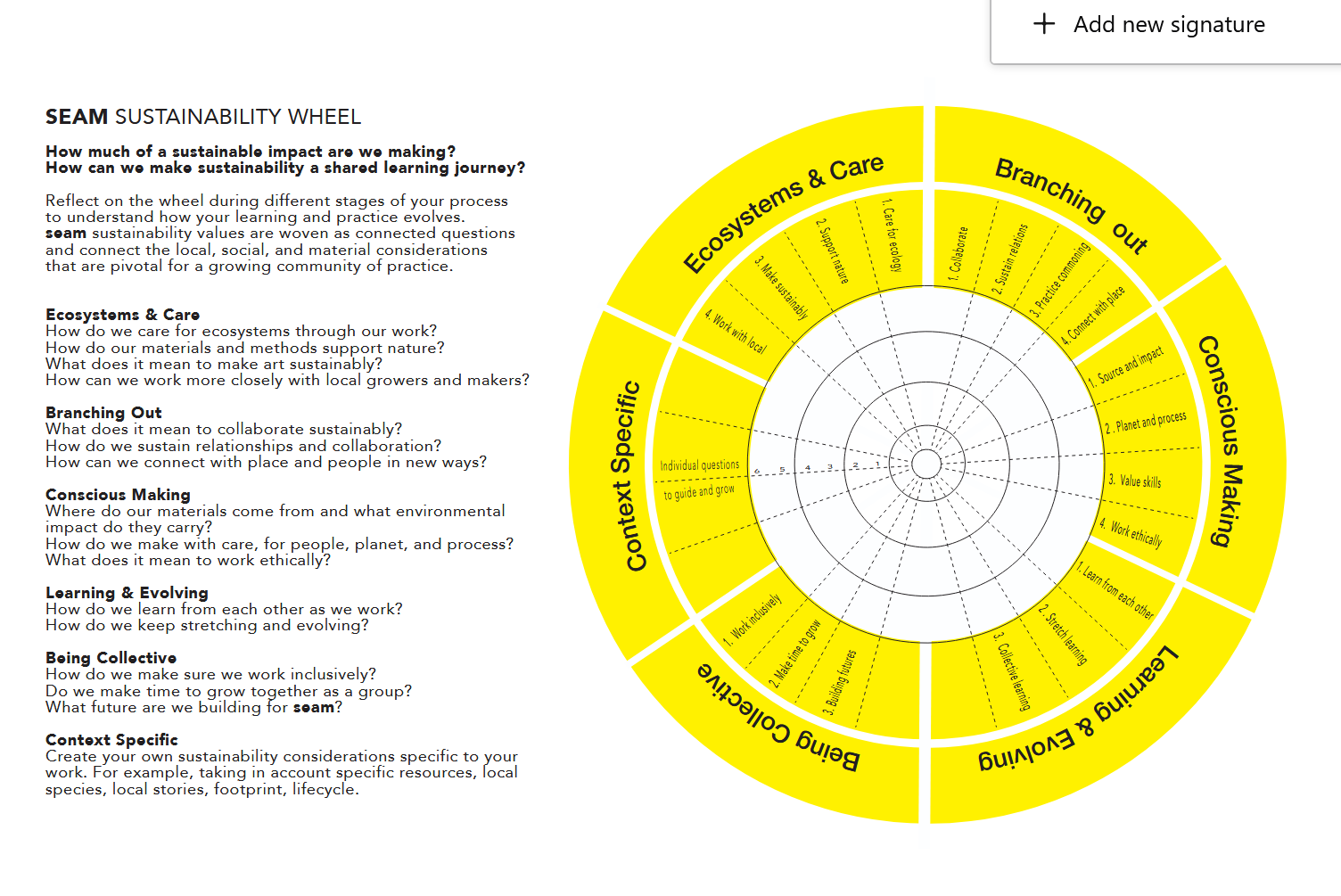
The seam sustainability wheel with the full questions on the left
A reflective continuation
Looking back, mentoring Warped and Wasted has reminded me again that sustainability is about attention. It is about noticing and sitting with complexity, the material, social, and ecological. It is about allowing each other to find our anchor points and enthusiasm, so that everyone can process in their own way. The seam sustainability wheel belongs to the collective. It should not remain the same, your learning and practices are always changing. Adapt it, reshape it, and let it evolve with your practice. Use it to explore the many interconnected dimensions of sustainability, and to nurture the kind of holistic, thoughtful making that will sustain both your making and your community.
…sustainability is about attention. It is about noticing and sitting with complexity, the material, social, and ecological.
For me, the Warped and Wasted exhibition is part of that process, it is about ways of living and working together in healthier, more balanced, and more just ways. It is about recognising this as a messy process, and recognising that sustainability is not something we achieve once and for all, but something we practice. Through making, reflection, and the ways we sustain each other.
I wish for everyone to remain open, to keep learning, to stay curious and activated in creating a healthier place and planet for us all. Sustainability is not about solving my puzzlepiece, but about caring for everyone: all species, places, and perspectives, especially those unknown to me.
Sustaining our planet is, foremost, about care and learning… Keep mending, weaving, and warping: we all have a role to play in creating a sustainable world. It goes beyond being creative practitioners but is a call to everyone on how we intend to be human.
Sustaining our planet is, foremost, about care and learning. Something we need to remind ourselves of amidst a polarised world. Keep mending, weaving, and warping: we all have a role to play in creating a sustainable world. It goes beyond being creative practitioners but is a call to everyone on how we intend to be human.
Judith van den Boom
Judith van den Boom is our host and key note speaker at:
Warped and Wasted – Textile talks: Textiles, sustainability and collaboration:
Friday 3 October 2025, 10am-4pm, online and in-person at
Somerton Parish Rooms + ACEarts, Market Place, Somerton, Somerset, TA11 7NB
Book your tickets now! Come and join the conversation…
Warped and Wasted – the exhibition:
Saturday 23 August – Saturday 11 October 2025,
ACEarts, Market Place, Somerton, Somerset, TA11 7NB,
Tuesday 11am-5pm, Wednesday -Saturday 10am-5pm. Free entry.
 seam
seam 
[…] Judith van den Boom, our host for the day, our sustainability mentor and Course Leader, MA Regenerative Design at UAL Central St Martins, provided rich insights to reviewing creative practice with a lens of sustainability. If you were unable to attend the day you can gain helpful insight to inform your own practice via her contribution from her blogpost, Mentoring through Warped and Wasted: a journey into seam sustainability. […]